McKinney, TX
Most water damage in McKinney homes is preventable — a few simple checks a year can save you a flooded room. For urgent help right now, call (469) 881-8817.
Calls answered any time, day or night. Independent local providers — no forms, no waiting.

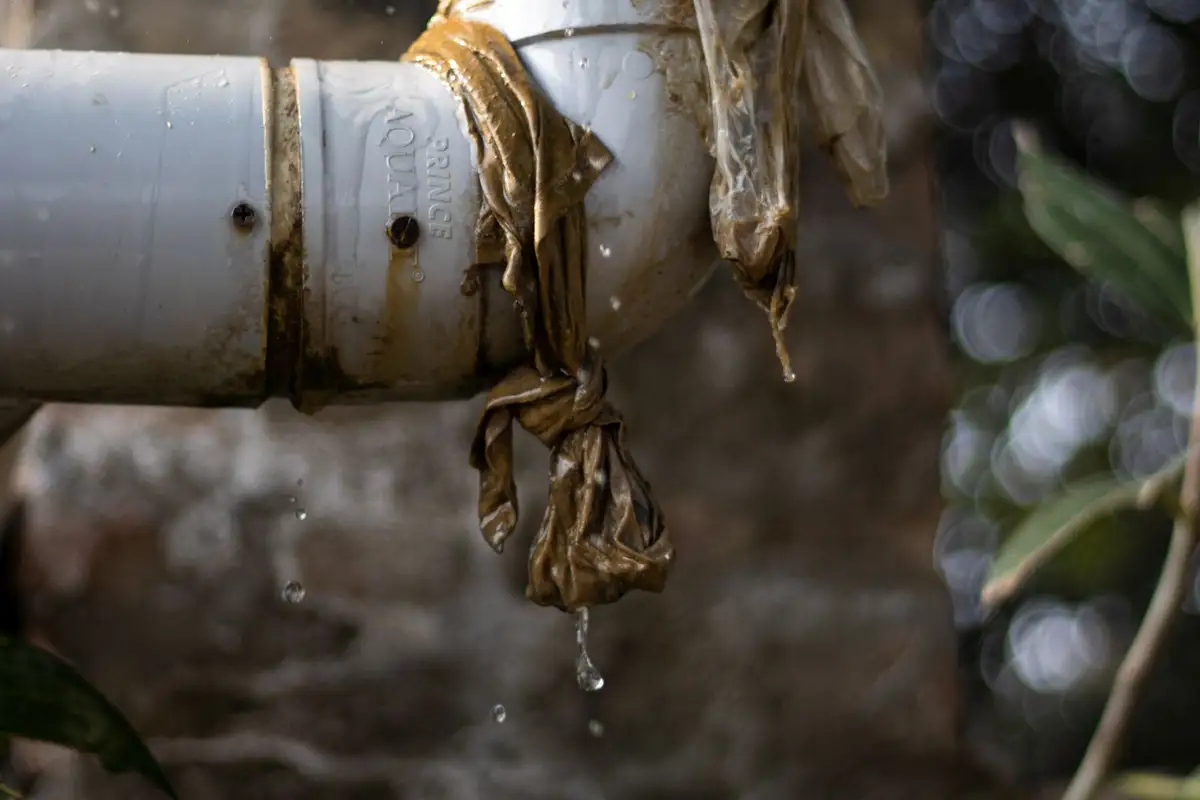
The most common leaks in McKinney homes come from small parts: washing machine hoses, toilet supply lines, dishwasher connections and refrigerator water lines. They age quietly, then split without warning. Check them twice a year — look for bulges, cracks, rust at the fittings, and any dampness on the floor behind the appliance.
Replace rubber washing machine hoses with braided steel ones if you haven't already, and turn the valves off when you leave town for more than a few days. A hose that fails while you're away can run for days before anyone notices.

Water heaters usually fail quietly. Check the floor around yours every month or so — any dampness, rust stains or musty smell is a warning. Listen for rumbling sounds, which mean sediment has built up inside the tank, and watch for rust-colored water from hot taps.
If your heater is old and the floor near it feels soft, have a provider take a look before it becomes a flood. Read our water heater leak guide to know what to do if it does start leaking.
Call (469) 881-8817 to connect with a local provider.
Call Now (469) 881-8817 - 24/7Heavy Texas storms test every weak point on a roof. Clean your gutters at least twice a year — clogged gutters overflow and push water back under the roof edge, straight into your walls. Check for missing or cracked shingles after a storm, and look at the flashing around chimneys and vents.
Inside, check your attic after heavy rain. If you see daylight through the roof boards, or stains on the decking, water is getting in. A small roof leak caught early is a quick fix; one left alone can soak insulation and framing for months. See our roof leak guide for what happens next.

When a pipe bursts, the first thing you need is the main shut-off valve — and you need to find it before the emergency, not during it. It's usually near the street, in the garage, or where the water line enters the house. Make sure everyone in your home knows where it is and that it actually turns.
Test it once a year. Valves that sit untouched for years can seize up, and a stuck valve in a flood is no help at all. If yours won't turn, have it looked at before the next cold snap.
Call (469) 881-8817 to connect with a local provider.
Call Now (469) 881-8817 - 24/7McKinney's cold snaps are short but sharp, and they're when pipes burst. When a freeze is forecast, keep the heat on, open cabinet doors under sinks on outside walls, and let faucets drip slightly on the coldest nights. Insulate exposed pipes in the attic, garage and crawl spaces.
If a faucet stops flowing during a freeze, leave it open a little and call (469) 881-8817 for help — a frozen pipe caught early is a much smaller job than a burst one. Read our frozen pipe guide for the full picture.
Slow leaks cause more damage than sudden ones, because they run for weeks before anyone notices. Watch your water bill — a jump without explanation is often the first sign of a leak. Check under sinks monthly, look for stains on ceilings, and pay attention to musty smells near baseboards.
Slab leaks are the hardest to spot. A warm patch on the floor, the sound of running water when everything is off, or cracks that weren't there before are all worth a call. See our slab leak guide for the signs to watch for.
Call (469) 881-8817 to connect with a local provider.
Call Now (469) 881-8817 - 24/7Inside the house: aging supply lines, washing machine hoses, dishwasher connections and water heaters. Outside: heavy storms and roof leaks. Attic pipes freezing in a cold snap is a local problem too. Most of these can be caught early with the simple checks in this guide.
Look at the floor around your water heater monthly, and check hoses and supply lines behind appliances twice a year. Replace rubber washing machine hoses with braided steel ones, and turn valves off when you leave town for more than a few days.
Turn off the water to that fixture if you can, and call (469) 881-8817 to connect with a local provider. Slow leaks soak framing and flooring for weeks before they show, so the sooner a provider checks the moisture, the smaller the job.
Not all of it — storms and sudden failures happen. But most of the worst cases we see started as small, fixable problems that ran for weeks. The checks in this guide catch the common ones early, and that's usually enough to avoid a flooded room.
Updated: November 2026